Wandle Park garden rubbish clearance in Colliers Wood
Posted on 15/07/2026
Wandle Park Garden Rubbish Clearance in Colliers Wood: A Practical Local Guide
If you have been looking at a pile of hedge cuttings, broken planter pots, old turf, or that awkward heap of green waste after a weekend in the garden, you are in the right place. Wandle Park garden rubbish clearance in Colliers Wood is one of those jobs that sounds simple until you actually stand there with bags, branches, and a van-sized mess to deal with. Truth be told, it is rarely just "a few bits." It is usually a mix of bulky, wet, thorny, heavy, and inconvenient stuff that needs a proper plan.
This guide explains how garden rubbish clearance works in and around Wandle Park, what to expect, how to prepare, and how to avoid the common headaches that turn a tidy-up into a bigger chore than it should be. You will also find practical advice on recycling, safety, and choosing the right clearance method for your situation. If you are comparing related services too, you may also find the broader garden waste removal in Colliers Wood page useful, along with the wider services overview for context.
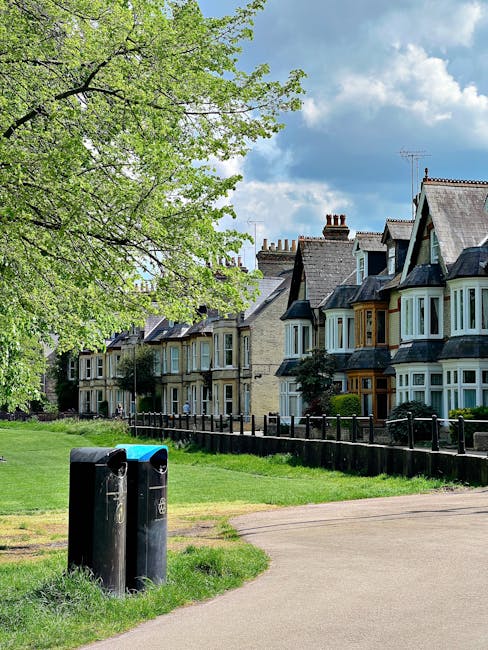
Why Wandle Park garden rubbish clearance in Colliers Wood Matters
Garden waste builds up in a very ordinary way. A little pruning here, a bag of weeds there, then suddenly you have branches, soil, grass cuttings, old timber, and the remains of a half-finished weekend project. Around Wandle Park and the surrounding Colliers Wood streets, that mix can be especially awkward because space is often limited and access may not be straightforward. A small front garden can still produce a surprisingly large amount of rubbish.
There is also a practical reason this matters: garden waste left too long can make a garden feel unusable. It blocks paths, attracts pests, holds moisture, and simply gets in the way of enjoying the space. If you live near the park, you may notice that many households want a quick turnaround because gardens here tend to be part of everyday life rather than just decorative extras. A clear space is easier to maintain, safer to walk through, and much more pleasant on a sunny afternoon.
In our experience, people often underestimate the effort involved in moving green waste from the back garden to the collection point. It is not just the lifting. It is the dragging, bagging, sorting, and making sure you have not mixed in something that needs separate handling. That is why a simple, well-planned clearance often saves more time and stress than people expect.
Expert summary: the best garden rubbish clearances are not the fastest ones; they are the ones where waste is sorted properly, access is planned in advance, and nothing awkward is left to chance.
If you are thinking more broadly about how local clearing and collection services fit together, the article on rubbish collection near Colliers Wood Station gives a useful sense of how local access and timing can affect a job. It is a small thing, but it matters.
How Wandle Park garden rubbish clearance in Colliers Wood Works
Garden clearance is usually straightforward once you know the sequence. The process tends to follow the same basic shape, whether you are clearing a few bags of hedge trimmings or a full garden overhaul after landscaping.
Typical clearance flow
- Assess the waste. Identify what is there: green waste, soil, timber, pots, broken furniture, fencing, or mixed rubbish.
- Separate the material. Keep organic waste apart from non-organic items where possible. This helps with recycling and handling.
- Check access. Think about gates, side passages, stairs, parking, and whether large items can be carried out safely.
- Bag or bundle the waste. Loose material is harder to move and more likely to spread across paths or patios.
- Load and remove. The waste is lifted, carried, and taken away for the appropriate disposal or recycling route.
- Final sweep. The area is checked so you are not left with stray branches, screws, or soil patches.
That final sweep is often what separates a decent job from a genuinely satisfying one. The little bits matter. A patch of leaves under a bench or a few snapped twigs on a path can make a cleared garden feel unfinished.
Some people handle the job themselves with a vehicle and a trip to a facility, but many choose a professional collection because it removes the manual handling, the lifting, and the guesswork. If your garden project has grown legs, so to speak, it is usually a good moment to compare your options. The pricing and quotes page is a sensible place to start if you want to understand how costs are usually approached.
What counts as garden rubbish?
Most people mean green waste, but the reality is wider. Common items include:
- grass cuttings and hedge trimmings
- branches, twigs, prunings, and shrubs
- dead plants and weeds
- soil, turf, and compost
- old plant pots and trays
- broken garden furniture
- fencing panels and timber offcuts
- bagged mixed rubbish from shed or garden clear-outs
Not everything is handled the same way, though. Soil is heavy. Treated timber can be different from clean wood. Mixed waste usually needs extra sorting. That is the detail people sometimes miss, and then the job gets awkward at the last minute.
Key Benefits and Practical Advantages
The obvious benefit is a clean garden. But there is more to it than appearances. A proper rubbish clearance changes how the space works day to day.
- More usable space: once waste is removed, paths, borders, patios, and lawns become easier to use.
- Less strain: no one enjoys hauling damp cuttings or a collapsed pile of branches down a narrow passage.
- Better presentation: useful if you are preparing a home for sale, letting, or simply trying to enjoy it again.
- Safer movement: fewer trip hazards, nails, splinters, and slippery piles of debris.
- Cleaner workflow: if you are doing a bigger garden job, the area is easier to finish properly once rubbish is out of the way.
- More responsible disposal: a structured clearance helps keep recyclable material separate from general waste.
There is also a quiet emotional benefit. It sounds a bit grand, maybe, but a cluttered garden can weigh on you. Once the mess goes, the whole place feels lighter. The air looks brighter. You hear birds again. Little things like that.
For households wanting a broader tidy-up beyond the garden, a combined approach may make sense. In some cases, garden waste sits alongside old chairs, broken storage, or indoor clutter. That is where related services like house clearance in Colliers Wood or furniture disposal in Colliers Wood can help avoid splitting the job into too many small trips.
Who This Is For and When It Makes Sense
This kind of clearance is not just for people who have gone full "garden overhaul" mode. It helps a wide range of residents and property owners across Colliers Wood and the Wandle Park area.
It is especially useful for:
- homeowners after hedge cutting, pruning, or lawn work
- tenants who need to leave an outside area clean at the end of a tenancy
- landlords preparing a property for viewing or new occupants
- busy families who do the garden in bursts and need a big clear-out afterwards
- people finishing landscaping, decking, or planting projects
- older residents who want the garden cleared but do not want the lifting
- small businesses with outdoor waste from premises or courtyards
It also makes sense when the waste is too awkward for normal household disposal. A few sacks of grass cuttings are manageable. A wet pile of branches, a broken trellis, and a rusting bench? That is where most people stop and think, "Right, this needs a proper solution."
If you are near the station or High Street, access and timing can be the deciding factor. Some readers will find it helpful to look at the local context in the Colliers Wood High Street rubbish collection guide before planning around traffic, parking, or busy periods.
Step-by-Step Guidance
Here is a practical way to tackle garden rubbish clearance without making it harder than it needs to be. Nothing fancy. Just a sequence that works.
1. Walk the garden first
Before you touch anything, walk the space slowly. Look for what is waste, what is recyclable, and what might need special handling. Check for hidden items in tall grass or under shrubs. You would be surprised how often people discover broken tools, plant supports, or old pots only at the end.
2. Separate green waste from mixed rubbish
Keep organic waste together if possible. This includes grass, leaves, and prunings. Put timber, metal, plastic, and general junk in a separate pile. It is a boring step, yes, but it saves time later and makes recycling easier.
3. Break bulky waste down where safe
Large branches can often be cut into smaller sections. Flat-packable items, such as some garden furniture or lightweight fencing, may be easier to move if partially dismantled. Do not force anything dangerous, though. If it needs tools you do not have, leave it.
4. Use sturdy bags and gloves
Cheap bags split at the worst moment. Always. Thick gloves, closed shoes, and sensible clothing are not overkill; they are common sense. Thorny plants and wet cuttings can make a minor job feel unnecessarily miserable.
5. Clear a route
Make sure the path from the garden to the collection point is clear. Move bikes, bins, plant pots, and anything else likely to trip you up. If access is awkward, think in terms of narrow loads rather than one giant carry.
6. Decide whether to handle it yourself or book removal
If the waste is light, dry, and limited in volume, a DIY trip may work. If the pile is mixed, heavy, damp, or simply too much for one person, arranging a professional collection is often the calmer choice. That is usually the moment people stop arguing with themselves and make the sensible call.
7. Do a final sweep and check
Once the waste is gone, look over the area again. Check corners, under bushes, and along edges. The last few scraps are annoying, but they make the garden feel properly finished.
Expert Tips for Better Results
A few small habits can make the whole thing smoother. These are the sort of details that do not sound exciting until they save you a half-hour and a sore back.
- Collect waste as you go: if you are pruning a hedge, do not leave all the cuttings for the end. Gather them in stages so the pile does not explode in size.
- Keep wet and dry waste apart: wet material gets heavier fast. It is a pain to carry and often makes everything else dirty.
- Watch for hidden hazards: broken glass, rusty wire, nails in old timber, and buried stones are more common than you think.
- Use the right bags for the job: garden waste bags are not a luxury. They reduce spills and are easier to stack or carry.
- Plan around weather: on a damp morning, green waste can be slippery and heavier. On a hot afternoon, it can smell a bit more pungent than you would like. Not glamorous, but real.
- Don't overfill containers: bags that are too heavy are awkward to move and more likely to split at the worst moment.
One thing people often overlook is access from the rear of the property. A narrow side return, a shared alley, or steps leading to the garden can slow everything down. If you know the route in advance, the whole job runs more smoothly. Such a small detail, but it really is.
For people trying to keep the environmental side sensible, the website's recycling and sustainability information gives a good sense of the broader approach to responsible disposal and waste sorting. That does matter, especially when a garden clearance includes more than just grass cuttings.
Common Mistakes to Avoid
The most common mistakes are not dramatic. They are the tiny, practical missteps that make a simple job messy.
- Mixing everything together: once green waste, broken furniture, plastic, and soil are all in one pile, sorting becomes slower and more expensive.
- Ignoring weight: a bag full of soil is far heavier than it looks. Same with wet hedge cuttings.
- Leaving sharp items loose: nails, broken ceramic pots, and splintered timber should never be handled casually.
- Forgetting access issues: blocked gates, locked side entrances, and parked cars can ruin the schedule.
- Assuming all garden waste is identical: some items may be recyclable, while others need different disposal routes.
- Underestimating the final tidy-up: the waste is not really gone until the loose debris is swept away.
A slightly funny one, if we are honest: people will spend ages trimming the garden beautifully, then dump all the mess in a pile so ugly it steals the mood completely. The garden looks like it fought back. No need for that.
Tools, Resources and Recommendations
You do not need a shed full of specialist gear, but a few reliable tools make a huge difference.
| Item | Why it helps | Best for |
|---|---|---|
| Heavy-duty gloves | Protects against thorns, splinters, and rough materials | Pruning, branch handling, mixed waste |
| Garden waste bags | Keeps material contained and easier to move | Leaves, grass, hedge cuttings |
| Hand saw or loppers | Lets you cut down branches safely | Branch reduction, shaping waste piles |
| Wheelbarrow | Reduces repeated carrying | Heavy or bulky loads |
| Broom and dustpan | Helps with the final tidy-up | Patios, paths, and driveways |
| Tarpaulin | Makes loading and dragging easier | Large cuttings, soil, mixed debris |
If your garden project includes more than green waste, it can be worth looking at the wider collection options too. For example, the waste collection in Colliers Wood page is useful when the job turns into a broader clear-out rather than a pure garden tidy.
Some people also combine garden work with indoor decluttering. It happens more often than you would think. One bag of garden rubbish turns into two bags of storage room bits, then an old chair appears, and suddenly the whole property is involved. If that sounds familiar, the house clearance service may be worth a look as part of a bigger tidy-up.
Law, Compliance, Standards, or Best Practice
Garden rubbish clearance is not just about convenience. In the UK, waste should be handled responsibly, and that includes making sure it goes to the right place and is dealt with properly. You do not need to become a waste law expert, but a few sensible principles matter.
Best practice starts with segregation. Keeping garden waste separate from general rubbish makes recycling more realistic and reduces unnecessary contamination. Soil, branches, and clean green waste are not the same thing as broken plastic, treated timber, or old household rubbish.
Duty of care matters. If you arrange removal, it is wise to use a provider that handles waste lawfully and can explain what happens to the rubbish. That is not just about ticking a box. It is about avoiding fly-tipping risks and making sure your waste does not end up somewhere it should not.
Safety matters too. Thorns, heavy bags, uneven ground, and sharp debris are all common hazards in garden clearances. Gloves, sensible footwear, and careful lifting are not optional niceties. They are basic good practice.
For readers who value responsible service standards, the pages on about us, insurance and safety, payment and security, and the terms and conditions provide useful reassurance about how a professional service frames accountability, safety, and customer protection. That sort of transparency is worth paying attention to.
There is also a practical privacy angle when bookings or site visits involve personal details, access notes, or photos. A clear privacy policy and accessibility statement are part of a trustworthy customer experience, even if they are not the most glamorous pages on the site. They matter more than people think.
Options, Methods, or Comparison Table
Different situations call for different clearance methods. The right choice depends on waste volume, access, urgency, and how much lifting you want to do yourself. Here is a simple comparison.
| Method | Best for | Pros | Watch out for |
|---|---|---|---|
| DIY bagging and disposal | Small, light loads | Low cost, flexible timing | Multiple trips, heavy lifting, limited vehicle space |
| Mixed self-clearance | Moderate amounts with a suitable vehicle | Full control over sorting | Time-consuming, physical strain, disposal rules |
| Professional garden waste collection | Bulky, heavy, or time-sensitive jobs | Fast, convenient, less lifting | Needs clear access and accurate waste description |
| Full property clearance | Garden waste plus indoor or bulky items | One visit handles more of the job | May be unnecessary for a small green-waste-only task |
For many Colliers Wood residents, the decision is fairly simple. If the waste is light and the weather is kind, DIY might be fine. If there is a lot of mixed material, or you are already tired from doing the actual garden work, a professional collection tends to feel worth it. No heroics needed.
Case Study or Real-World Example
Picture a typical Saturday near Wandle Park. A resident has spent the morning trimming a hedge, clearing overgrown borders, and digging out an old bed of tired plants. By lunchtime, the garden looks better, but the waste pile has grown into something far less charming: branches, roots, a couple of cracked pots, a roll of old plastic edging, and a bag of weeds already starting to smell damp in the shade.
The first instinct is often to "deal with it later." Fair enough. But later becomes evening, then Sunday, and by then the pile is in the way of the patio chairs, the side path, and half the garden plans. So the resident separates the waste into green material and mixed rubbish, bundles the branches, clears the route through the side gate, and arranges collection for the same week.
The result is not just a cleaner garden. It is a garden that can actually be used. The lawn can dry properly. The patio is free for a table and chairs. The front edge of the property looks better from the street. And because the waste was sorted early, the removal itself is simple rather than chaotic.
That is the real lesson: good clearance is rarely about brute force. It is about making the job manageable before it gets out of hand.
Practical Checklist
Use this checklist before your garden rubbish clearance starts. It saves time and a bit of stress, honestly.
- Walk the garden and identify all waste
- Separate green waste from mixed rubbish
- Remove sharp or hazardous items carefully
- Bundle branches and cut larger pieces down where safe
- Choose strong bags or containers
- Check access routes, gates, and parking
- Keep soil, timber, and general rubbish apart if possible
- Decide whether you need a small collection or a broader clearance
- Do a final sweep after removal
- Plan a follow-up tidy so the garden stays neat
If your job has become bigger than expected, or if you are comparing a couple of collection options, the broader pricing and quotes page is a helpful final stop before you book anything.
Conclusion
Wandle Park garden rubbish clearance in Colliers Wood is really about making outdoor space usable again. Whether you are dealing with a small pile of hedge cuttings or a bigger mix of green waste and old garden clutter, the principles are the same: sort sensibly, plan access, protect yourself, and make sure the waste is handled properly.
The best results come from small practical decisions made early. Bag things properly. Keep wet waste separate. Do not ignore heavy soil or hidden sharp edges. And if the job starts looking bigger than you expected, that is not a failure. It is just a sign that the garden has had its say and now needs the tidy-up part to happen.
There is something genuinely satisfying about standing back at the end of a clearance and seeing clear paving, open borders, and a garden that feels ready for the next season. Not perfect. Just calm, usable, and yours again. That is enough, really.
Get a free quote today and see how much you can save.
If you are still weighing up whether to clear everything in one go or split the job across a few stages, take your time. A sensible pace is better than a rushed one. The garden will wait.
 Tipper Van - Rubbish Removal and Waste Collection Prices in Colliers Wood, SW19
 Luton Van - Rubbish Removal and Waste Collection Prices in Colliers Wood, SW19


