Colliers Wood High Street rubbish collection guide
Posted on 20/06/2026
If you live, work, or run a shop near the High Street, rubbish builds up faster than most people expect. One day it is a broken chair, a few delivery boxes, and some old packaging; the next, the corner by the back door looks like a mini skip bay. This Colliers Wood High Street rubbish collection guide is here to make the process clearer, safer, and a lot less stressful. You will find practical advice on what can be collected, how to prepare waste properly, when a professional collection makes sense, and how to avoid the usual headaches that come with tight London streets and busy commercial frontages.
Truth be told, rubbish removal on a busy high street is never just about "getting rid of stuff". It is about access, timing, neighbour relations, recycling, compliance, and keeping the place looking presentable. A neat frontage matters. So does avoiding fines, missed collections, and that awkward moment when a pile of waste sits outside overnight because nobody quite planned the job properly.
For readers who want a wider view of the local area and how everyday life shapes property and business decisions here, it can also help to read local insights about Colliers Wood alongside this guide. The way a street is used tells you a lot about the kind of waste it generates.
Below, you will get the practical version, not the fluffy version.
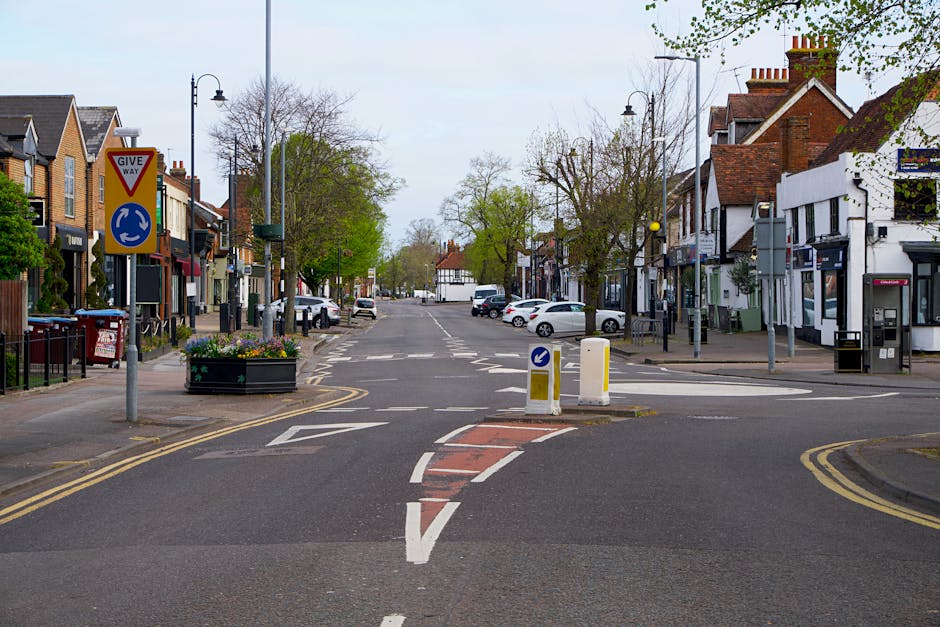
Why Colliers Wood High Street rubbish collection guide Matters
Colliers Wood High Street has the usual London mix: shops, cafes, flats, shared entrances, small businesses, and people moving through all day. That means waste is rarely neat or predictable. A delivery-heavy business may have cardboard and packaging every morning. A flat above a shop may need bulky items removed after a move. A cafe may need food waste, broken furniture, or end-of-week clear-outs. The practical challenge is that the street does not stop to make space for any of it.
That is why a focused rubbish collection plan matters. When waste is left unmanaged, it becomes more than an eyesore. It can attract litter, create odours, block access points, and make a business look careless. In residential settings, it can annoy neighbours and create that low-level friction nobody enjoys. You know the feeling: one overflowing bag becomes three, then somebody adds a random box, and suddenly it looks like nobody owns the problem.
A good guide helps you separate what belongs in regular collections from what needs a special pickup. It also helps you decide whether to handle items yourself, schedule a one-off collection, or arrange a more structured clearance. For nearby property owners and landlords, this matters even more. If you are planning works, let's face it, waste management should be part of the plan from day one, not an afterthought when the hallway is full of old flooring and packaging.
For people interested in how the local area functions day to day, there is also value in understanding neighbourhood rhythm. Articles like this local Colliers Wood overview can help you see why tidy streets and reliable waste handling are more than just nice extras. They affect how the area feels to live in and trade from.
Expert summary: On a busy high street, rubbish collection works best when it is planned around access, volume, item type, and timing. The cleaner the setup, the easier everything else becomes.
How Colliers Wood High Street rubbish collection guide Works
At a practical level, rubbish collection is about matching the waste to the right method. That starts with identifying the type of rubbish you have. General household rubbish, mixed commercial waste, recyclable cardboard, bulky items, garden cuttings, electricals, and builders' debris all behave differently. They are not all treated the same, and they should not be piled together without thought.
For a High Street property, the process usually looks like this:
- Sort the waste. Separate general waste, recycling, bulky items, and anything hazardous or sharp.
- Check access. Think about rear alleys, stairwells, loading areas, and parking restrictions.
- Choose the collection method. This might be a small household pickup, a same-day collection, or a more tailored commercial removal.
- Prepare items safely. Flatten cardboard, bag loose waste, tape sharp edges, and keep heavier items together.
- Book a suitable time. High Street jobs often work best off-peak, early in the morning, or during quieter windows.
- Confirm what will happen. A reputable collection should be clear about what can be taken, how items are loaded, and what happens to reusable or recyclable material.
The "works" part is often simpler than people think, but only if the waste is properly prepped. A messy load can slow everything down. A tidy load usually means a quicker collection and fewer surprises on the day.
If you are comparing services and want to understand the broader range available, the services overview is a sensible place to start. It helps frame the difference between ad hoc collections and more involved clearance work.
Key Benefits and Practical Advantages
There are several reasons people on or around the High Street move from informal "we will sort it later" habits to proper collection planning. The benefits are not flashy, but they are real.
- Better kerb appeal. A cleaner frontage makes a business or property feel more professional and more cared for.
- Less disruption. Waste taken away in one go is easier to manage than multiple small trips.
- Safer spaces. Fewer loose items, broken boxes, or trailing bags means less trip risk.
- Improved recycling. Sorting waste well increases the chance that materials are handled correctly.
- More predictable costs. A planned collection is usually easier to budget for than repeated emergency call-outs.
- Better neighbour relations. Nobody wants to be "the place with the pile outside", especially on a busy street.
There is also a subtle advantage: once you have a proper system, waste stops stealing mental energy. That may sound dramatic, but anyone who has tried to run a cafe, manage a flat renovation, or clear a shop unit knows what I mean. It is one less thing to babysit.
For those interested in lower-waste habits and more responsible disposal, our recycling and sustainability approach gives useful context on why sorting and recovery matter beyond the immediate job.
Who This Is For and When It Makes Sense
This guide is useful for quite a few people, and not all of them are obvious at first glance.
Households near the High Street
If you live in a flat above a shop, in a terrace just off the main road, or in a shared building with limited bin space, rubbish can pile up quickly. One clear-out after a move or a burst of DIY is often enough to make a collection worthwhile.
Independent shops and cafes
Cardboard, packaging, broken fittings, and old stock all need somewhere to go. In many small businesses, the waste stream changes week by week. One week is packaging-heavy, the next is a rearranged shop floor and old display items.
Landlords and letting agents
End-of-tenancy waste is a regular issue, especially where tenants leave behind furniture, mattresses, or mixed junk. A proper collection helps reset the property quickly. If you deal with moves or refurbishments often, this property-focused Colliers Wood guide may also be useful context.
Office managers and small teams
Offices generate more waste than people expect: packaging, paperwork, desks, chairs, monitors, and old storage units. If the workspace is around the High Street or nearby, planned removal saves time and keeps the premises presentable. For more on this, see office clearance in Colliers Wood.
People handling one-off clear-outs
Sometimes you just have a job. The spare room got out of hand. The garage has become a museum of broken things. The back room is full of old fixtures. That is when an organised collection is far less painful than trying to manage it in bits.
Step-by-Step Guidance
If you want a smoother collection, follow a straightforward process. It is not glamorous, but it works.
- Walk the site first. Check where waste is stored, where it needs to pass through, and whether there are stairs, narrow doors, or loading restrictions.
- Separate the easy stuff. Keep cardboard, soft bags, bulky items, and sharp or awkward waste apart if possible.
- Remove obvious hazards. Glass, nails, loose screws, and exposed edges should be contained before anyone starts moving items.
- Estimate the volume honestly. It is tempting to underplay how much there is. Most people do it, then realise the pile is bigger in daylight. Happens all the time.
- Book the right type of collection. A few bin bags are different from a full premises clearance. Be realistic here.
- Choose a sensible time slot. Traffic, deliveries, school runs, and footfall all matter on a High Street.
- Prepare access in advance. Move cars if needed, unlock gates, and make sure someone is available to guide the team.
- Do a final sweep. After collection, check corners, under counters, and behind doors. Small bits are easy to miss.
A simple rule helps: if the collection team can get to the waste easily, the job will usually be quicker and cleaner. If they have to climb over furniture, squeeze through clutter, or guess which items matter, everything slows down.
For bulky household items in particular, a focused service such as furniture disposal in Colliers Wood can be the better fit than a general rubbish pickup.
Expert Tips for Better Results
There are a few small habits that make a surprisingly big difference. They save time, reduce mess, and often make the whole experience feel more manageable.
- Flatten cardboard early. It takes up far more space than people realise when left whole.
- Keep mixed waste separate if you can. Recycling is much easier when materials are not tangled together.
- Label what stays and what goes. A quick note or tape marker avoids mistakes in busy back-of-house areas.
- Photograph larger loads. This helps with planning, especially if you are comparing collection options.
- Move fragile items last. It reduces accidental damage during the clear-out.
- Use the quietest access route. Rear lanes or side entries often work better than front-door movement, if available.
One thing people forget: waste collection is easier when the decision is made before the pile becomes urgent. Sounds obvious, I know. But urgency is usually how rubbish becomes a problem in the first place.
For businesses or owners dealing with repeated disposal needs, the best move is often to combine the right service with a simple schedule. If that sounds like your situation, the pricing and quotes page can help you think through the budgeting side, while general waste collection support may be the broad service fit you need.

Common Mistakes to Avoid
The same errors appear again and again. Most are easy to avoid, which is lucky because they are annoying when they happen.
- Leaving rubbish until the last minute. This turns a manageable collection into a rushed, stressful one.
- Mixing everything together. It makes sorting harder and can complicate disposal.
- Underestimating volume. The "it is only a few things" story is rarely true once you open the cupboard.
- Blocking access. If the route is cluttered, the collection takes longer and may become unsafe.
- Ignoring awkward items. Mattresses, broken tables, office chairs, and construction offcuts often need specific handling.
- Forgetting about neighbours or customers. On a high street, timing matters. A collection that interrupts foot traffic can create more problems than it solves.
Another quiet mistake is assuming all waste can be handled the same way. Builders' debris is not the same as domestic clutter. A shop clearance is not the same as a few bin bags. If you need more specialised help, especially after refurbishment or shop fitting, look at builders' waste disposal in Colliers Wood.
Tools, Resources and Recommendations
You do not need a warehouse full of equipment to organise rubbish collection properly. A few simple tools are enough for most jobs.
- Heavy-duty bin bags for soft waste and small mixed items
- Flat cardboard boxes or straps for bundling packaging
- Gloves for handling rough, dusty, or sharp-edged items
- Tape and marker pens for labelling what should stay and what should be removed
- Trolleys or sack trucks if bulky items need to move through long corridors
- Phone photos for documenting the pile before collection
For many readers, the best "resource" is simply a clear service menu and an honest conversation about what needs removing. That is where the services overview and about us pages can be useful, especially if you want a sense of how a provider approaches safety, reliability, and day-to-day operations. The same applies if you are checking service expectations around insurance and safety or the practical details of payment and security.
One small recommendation: keep a basic waste log if your property or business produces recurring rubbish. Nothing fancy. Just dates, item types, and any recurring problem areas. Over time, it makes planning much easier.
Law, Compliance, Standards, or Best Practice
When rubbish collection happens on or around a busy High Street, compliance is not something to leave vague. In the UK, waste must be handled responsibly, and commercial premises in particular should be careful about how waste is stored, moved, and handed over. The exact obligations depend on the setting and waste type, so it is wise to treat this as a practical best-practice issue as much as a legal one.
Here are the basics to keep in mind:
- Duty of care: businesses should make reasonable efforts to ensure waste is managed by a responsible carrier and goes to an appropriate destination.
- Safe storage: waste should not create hazards, block exits, or make walkways unsafe.
- Special handling: sharp, electrical, or contaminated items may need extra care.
- Recycling separation: where possible, separate recyclable material from general waste.
- Access and timing: avoid obstructing pavements, doorways, or customer entrances.
For mixed or recurring waste, best practice is to be organised, transparent, and sensible. If a job feels borderline messy, it probably needs more planning. That is not drama. Just experience.
Also, if you are comparing providers, do not ignore the paperwork side. A reliable operator should be clear about terms and practical responsibilities. The relevant site policies, such as terms and conditions and privacy policy, matter because they set expectations before anything is booked. If sustainability is important to you, it is worth aligning with a provider that takes resource recovery seriously rather than treating every item as plain rubbish.
Options, Methods, or Comparison Table
Different waste problems call for different approaches. Here is a straightforward comparison to help you judge what fits best.
| Method | Best for | Strengths | Limitations |
|---|---|---|---|
| Regular bin collection | Routine small-volume waste | Simple, familiar, low effort | Not suitable for bulky or sudden clear-outs |
| One-off rubbish collection | Ad hoc bags, boxes, and mixed household waste | Flexible and fast | May not suit larger or more awkward loads |
| Bulky item removal | Furniture, mattresses, large appliances | Handles awkward objects safely | Needs clearer access and planning |
| House clearance | Full property clear-outs, end of tenancy, probate-style removals | Comprehensive and efficient | Not ideal for tiny jobs |
| Office clearance | Desks, chairs, filing, mixed office waste | Good for commercial resets | Usually needs more coordination |
| Builders' waste disposal | Renovation debris, fixtures, offcuts | Suitable for heavy or messy material | Needs careful segregation and safe handling |
If you are still deciding, ask yourself one question: are you clearing a few things, or are you clearing a space? That answer usually tells you which route to take. For larger domestic jobs, house clearance in Colliers Wood can be a more efficient choice than piecing things together.
Case Study or Real-World Example
Imagine a small shop near the High Street that has just finished a stock refresh. There are flattened boxes, broken display shelves, two old counters, plastic wrapping, and a few damaged items from the back room. Nothing dramatic. But if left for several days, it starts to clutter the service area and makes the shop feel a bit tired, even if the front display is spotless.
Instead of trying to deal with everything in dribs and drabs, the owner sorts the waste into three groups: cardboard for recycling, reusable stock to keep, and bulky disposal items that need collection. They clear a side access route, photograph the load for reference, and arrange the pickup for a quieter window early in the week. The result is simple: the job is done in one go, the area is back to normal faster, and staff are not stepping around piles of packaging for days.
That kind of example is common, honestly. The waste itself is rarely the real problem. It is the delay and the confusion around what to do with it.
And yes, sometimes the "small tidy-up" turns into a bigger clear-out than expected. That is life. You open one cupboard and suddenly everyone remembers the ancient printer nobody wanted to talk about.
Practical Checklist
Use this checklist before arranging rubbish collection near Colliers Wood High Street:
- Have you separated general waste, recycling, bulky items, and hazardous materials?
- Is the collection route clear of obstacles?
- Do you know whether the waste is household, commercial, or builders' waste?
- Have you estimated the volume honestly?
- Are any items sharp, heavy, wet, or difficult to carry?
- Have you chosen a sensible collection time?
- Will someone be available to give access if needed?
- Have you checked whether any items should be kept aside?
- Do you have a plan for leftover packaging or small debris?
- Have you compared the collection method to the actual size of the job?
If you can tick most of those boxes, the collection is usually much smoother. If not, it may be worth pausing and getting the setup right first.
Get a free quote today and see how much you can save.
Conclusion
A smart rubbish collection plan on Colliers Wood High Street is not just about removing waste. It is about keeping spaces safe, tidy, presentable, and easy to use. Whether you are a householder, landlord, shop owner, office manager, or someone dealing with a one-off clear-out, the same principle applies: sort early, plan access, and choose the right method for the job.
The best results usually come from simple habits rather than heroic efforts. A bit of preparation, a realistic view of the load, and a collection arranged at the right time can save a lot of mess and hassle. Small things, but they add up. And once the space is clear, you feel it straight away. There is a little more room to breathe.
If you want to keep improving how waste is handled around your property or business, the next sensible step is to compare your options, review what you actually need removed, and pick a collection approach that fits the space rather than fighting it. That is usually where the difference shows.
A tidy street starts with one well-handled job, then another.

 Tipper Van - Rubbish Removal and Waste Collection Prices in Colliers Wood, SW19
 Luton Van - Rubbish Removal and Waste Collection Prices in Colliers Wood, SW19


